Ditch Installation in Atlanta, GA
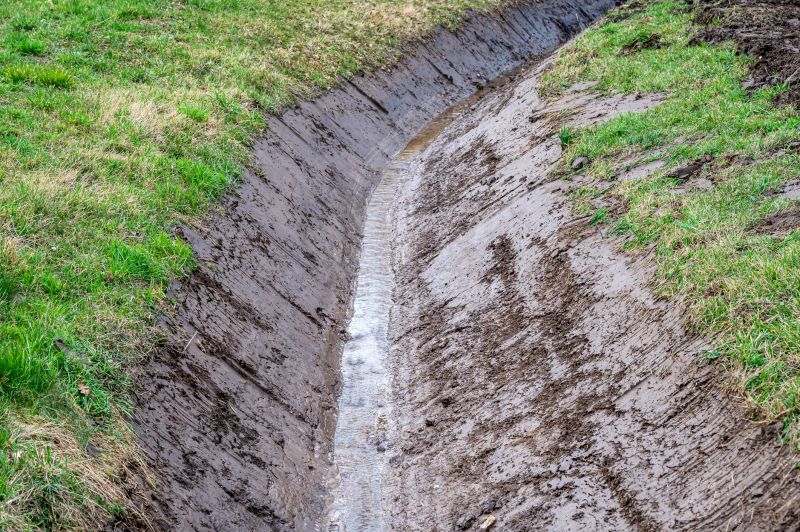
Ditch installation services involve creating a designated channel or trench to manage water flow and drainage on residential properties. These projects typically include installing drainage ditches along driveways, yards, or foundations to prevent water accumulation, control runoff, and protect landscaping or structures from water damage. Property owners often request ditch installation when dealing with persistent pooling, erosion issues, or planning for proper stormwater management to maintain a safe and functional outdoor space.
Before requesting ditch installation, property owners should consider factors such as the layout of their land, the source of water issues, and any existing underground utilities. Understanding the purpose of the ditch-whether for directing rainwater away from the foundation or controlling surface runoff-is essential to ensure the project meets specific needs. Clear communication about the property’s terrain, drainage goals, and any local regulations can help facilitate a smooth installation process.
Many property owners in Atlanta, GA look into Ditch Installation for repairs, replacements, upgrades, and appearance-related improvements.
Types Of Ditches
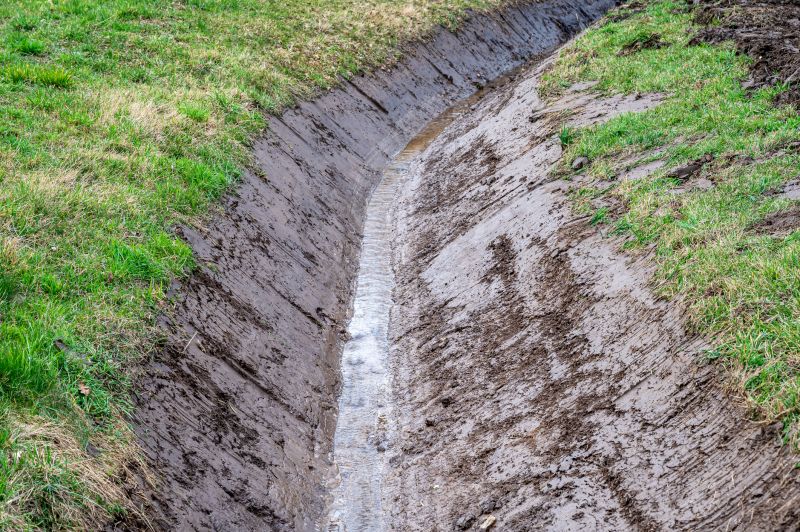
Different ditch styles are suitable for drainage, irrigation, or property boundaries.
Common Uses
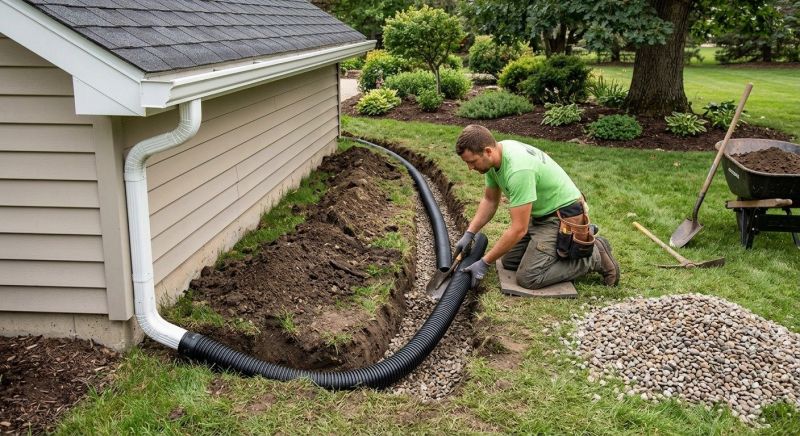
Ditches help manage water runoff and prevent erosion on residential and commercial properties.
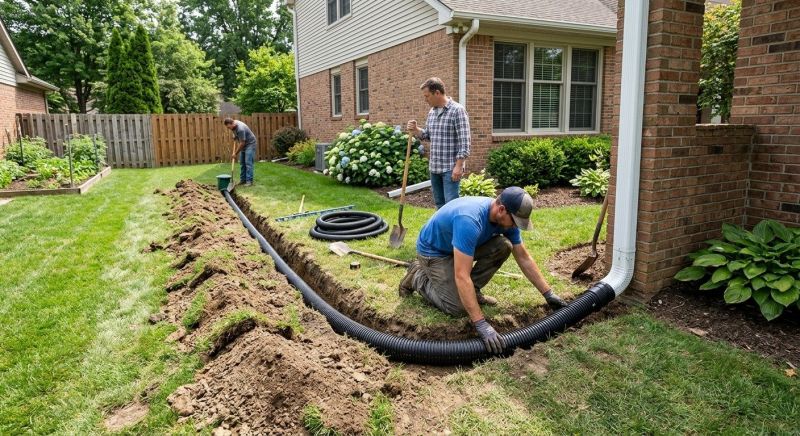
Installation Considerations
Proper planning ensures ditches are effective for water control and suited to the property's terrain in atlanta, ga.
Ditch Installation in Atlanta, GA

Ditch installation services involve creating a designated channel or trench to manage water flow and drainage on residential properties. These projects typically include installing drainage ditches along driveways, yards, or foundations to prevent water accumulation, control runoff, and protect landscaping or structures from water damage. Property owners often request ditch installation when dealing with persistent pooling, erosion issues, or planning for proper stormwater management to maintain a safe and functional outdoor space.
Before requesting ditch installation, property owners should consider factors such as the layout of their land, the source of water issues, and any existing underground utilities. Understanding the purpose of the ditch-whether for directing rainwater away from the foundation or controlling surface runoff-is essential to ensure the project meets specific needs. Clear communication about the property’s terrain, drainage goals, and any local regulations can help facilitate a smooth installation process.
Many property owners in Atlanta, GA look into Ditch Installation for repairs, replacements, upgrades, and appearance-related improvements.
Common Ditch Installation Jobs
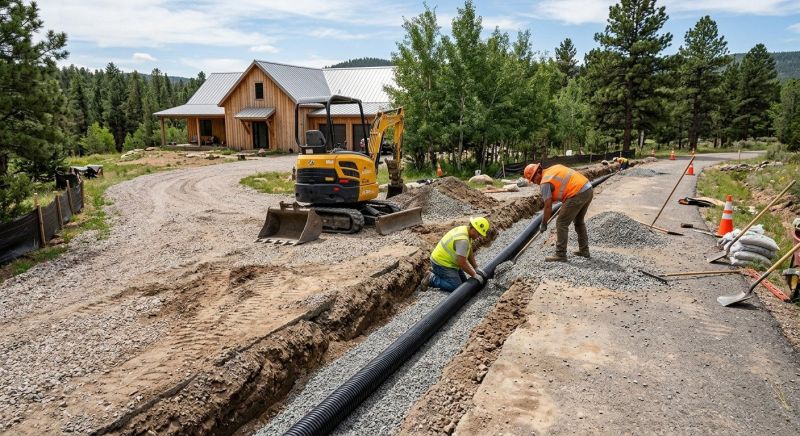
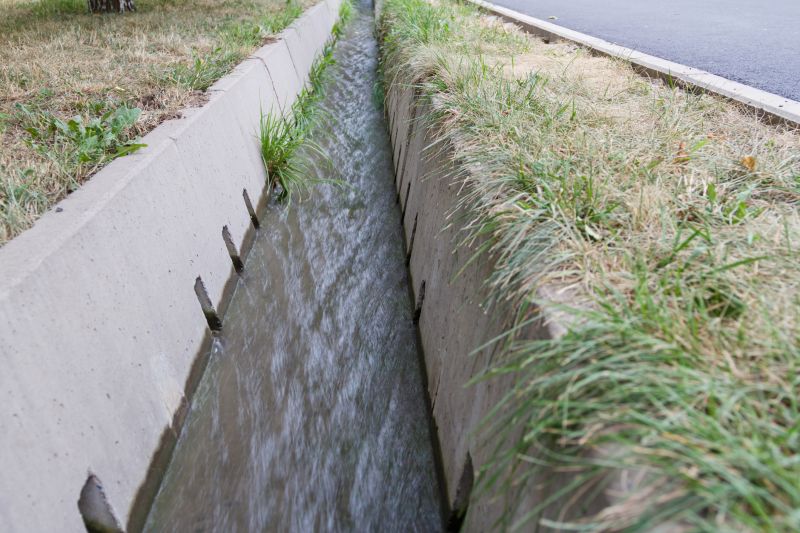
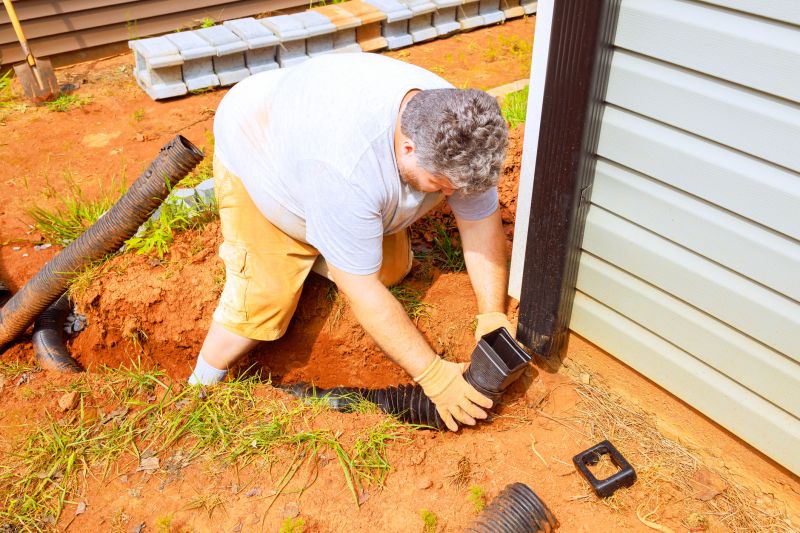
Drainage Ditches - designed to direct water away from foundations and prevent flooding.
French Drains - installed to improve soil drainage and reduce excess water pooling.
Swale Construction - creates gentle slopes to manage stormwater runoff effectively.
Erosion Control Ditches - help stabilize soil and prevent erosion on sloped properties.
Dry Creek Beds - serve as decorative features that also manage stormwater flow.
Channel Installation - provides a clear path for water flow to protect landscaping and structures.
Ditch Installation Questions
What types of projects typically require ditch installation? Ditch installation is often needed for drainage improvements, erosion control, or directing water flow around properties.
How does ditch installation help property owners? It helps prevent water pooling, reduces soil erosion, and protects foundations from water damage.
What materials are used for ditch construction? Common materials include compacted soil, gravel, and sometimes concrete or plastic linings for durability.
Is ditch installation suitable for all property types? It is suitable for various properties, especially those with drainage challenges or slope management needs.
Request Ditch Installation in Atlanta, GA
Use the quote form on this page to share the basics of your project and request more information for the type of work you need.